There was a time when stepping into public space carried an unspoken understanding: how we present ourselves matters. Not as performance. Not as vanity. But as courtesy. An acknowledgment that we are entering shared space, where our choices affect more than just ourselves.
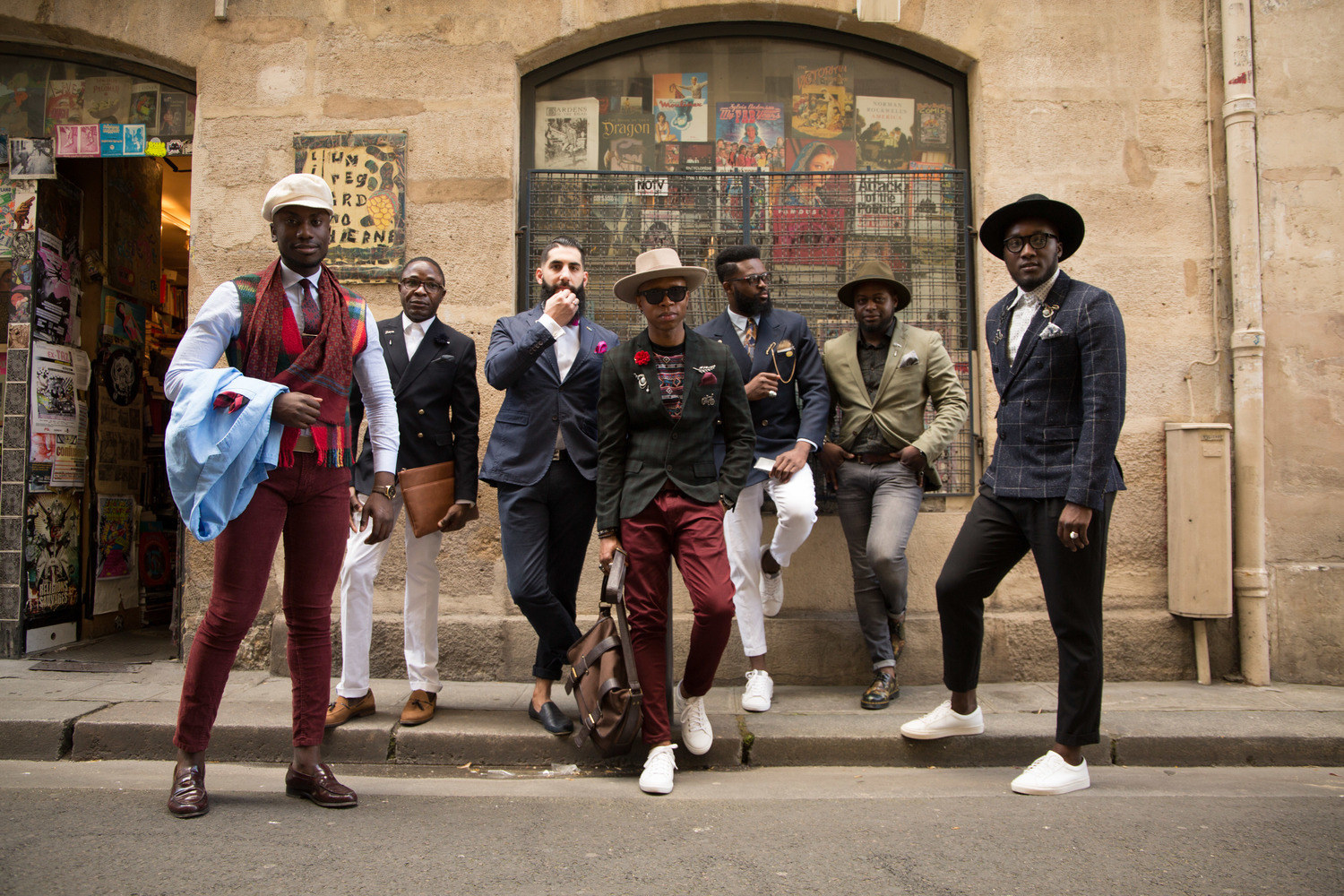
How we appear in public is a quiet language. It speaks before we do. It communicates awareness, respect, and consideration—often without a single word exchanged. When we dress with care, we are not declaring superiority; we are offering regard.
Public spaces are communal environments. Streets, cafés, shops, places of gathering—they belong to everyone. When we enter them, we bring our presence with us. That presence can be harmonious or disruptive, attentive or indifferent. Clothing becomes part of that presence.
Dressing properly for public life is not about rigid rules or outdated expectations. It is about discernment. It is about understanding context. What is appropriate at home is not always appropriate in shared space. The ability to recognize this distinction is not repression—it is maturity.
Courtesy is consideration made visible.
When effort disappears from public appearance, it often signals something deeper than casualness. It can reflect a gradual erosion of attentiveness—to oneself, to others, to the moment. This erosion is rarely intentional, but it is cumulative. Over time, a culture that no longer cares how it shows up begins to lose something subtle but vital: mutual regard.
To dress with intention is to say, “I see you.” It is to acknowledge that others will encounter us, and that we care enough to meet them with respect. This does not require extravagance. Simplicity done well carries just as much dignity as formality. What matters is thoughtfulness.
Different occasions ask different things of us. A daytime errand, a professional meeting, a cultural event, a solemn gathering—each carries its own tone. Recognizing that tone and responding appropriately is a form of social intelligence. It signals awareness rather than ego.
When we honor the moment by how we arrive, we elevate the experience for everyone involved.
There is a misconception that dressing properly restricts authenticity. In truth, it refines it. Authenticity is not the absence of effort; it is alignment. When our outward presentation aligns with respect for self and others, we move through the world with greater ease and confidence.
Public courtesy does not demand perfection. It asks for intention. It asks us to pause and consider: Where am I going? Who will I encounter? What does this moment deserve?
These small considerations accumulate into culture.
When people take care in how they appear, public spaces feel calmer, more ordered, more humane. There is less friction, less anonymity, less disregard. Courtesy creates safety—not just physical, but emotional. It reminds us that we are not alone, and that our choices ripple outward.
This is especially important in a time when isolation and indifference have become common. Dressing with care becomes a quiet form of resistance against disengagement. It says, “I am present. I am aware. I am participating.”
To dress properly in public is not about impressing others. It is about respecting the shared experience of being human together. It is about recognizing that how we show up contributes to the tone of the world we inhabit.
Courtesy, after all, is love in action—expressed not loudly, but consistently.
And sometimes, it begins simply with how we choose to appear.
~Eydie Claassen