Long before a child can articulate values, they absorb them.
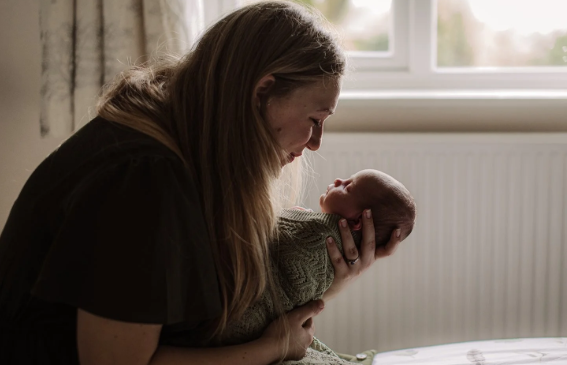
They learn by watching how adults move through the world—how they speak to strangers, how they respond to stress, how they prepare for the day, how they recover from mistakes. Parenting, at its core, is not instruction. It is demonstration.
Proper and adequate upbringing was never about control. It was about orientation. It gave children a sense of how to stand in the world, how to conduct themselves, and how to recognize that their actions mattered beyond their own immediate desires.
What children learn first is not what they are told—it is what is modeled consistently.
When parents carried themselves with dignity, children learned dignity without explanation. When effort was visible, children learned responsibility without lectures. When care was extended to others naturally, compassion became normal rather than exceptional.
Today, much of that quiet transmission has been interrupted.
We have mistaken informality for closeness and permissiveness for understanding. In doing so, we have left many children without a framework for self-respect. They are free, yes—but often unanchored. And without an anchor, freedom becomes disorienting rather than empowering.
Adequate upbringing does not mean rigid rules or perfection. It means presence. It means adults who are conscious of the fact that they are always teaching something—whether they intend to or not.
Children notice when parents prepare themselves before leaving the house. They notice how meals are treated, how spaces are kept, how commitments are honored. They notice tone, posture, patience, and restraint. These details shape a child’s internal sense of order.
When these elements are absent, children are left to construct meaning on their own, often from peers, screens, or cultural noise. The result is not independence, but confusion.
Being taught properly does not mean being shielded from life. It means being equipped for it.
A child who is taught self-respect early does not need to be constantly corrected later. They develop an internal compass. They understand, instinctively, that how they show up matters—that their presence carries weight and responsibility.
This understanding does not restrict them. It steadies them.
Parents once understood that raising a child was not merely about keeping them happy, but about preparing them to be capable. Capable of consideration. Capable of restraint. Capable of standing in discomfort without collapsing or lashing out.
These capacities are learned through example, not instruction.
When adults abandon standards entirely, children do not feel liberated—they feel unseen. Boundaries, when rooted in care, communicate value. They say, You matter enough for me to pay attention.
Proper upbringing was never about forcing children into conformity. It was about giving them the tools to navigate the world with composure. To understand context. To recognize that different situations require different responses.
Without this foundation, young people often struggle not because they lack intelligence, but because they lack orientation. They have not been shown how to integrate freedom with responsibility.
The work of parenting is subtle. It is rarely dramatic. It happens in repetition—in the ordinary moments that seem insignificant at the time. But these moments accumulate, forming the backbone of a child’s character.
When parents live with intention, children learn intention. When parents take care, children learn care. When parents stand in quiet integrity, children absorb that posture as normal.
This is not nostalgia. It is reality.
Children do not need perfect parents. They need present ones. Adults who understand that upbringing is not a performance, but a stewardship. That the smallest behaviors often leave the deepest impressions.
What we pass on is not just knowledge—it is orientation.
And when children are taught how to stand before they are taught what to say, they grow into adults who know how to meet the world with dignity rather than demand.
That is what adequate upbringing has always offered.
~Eydie Claassen