Calm is not created by avoidance.
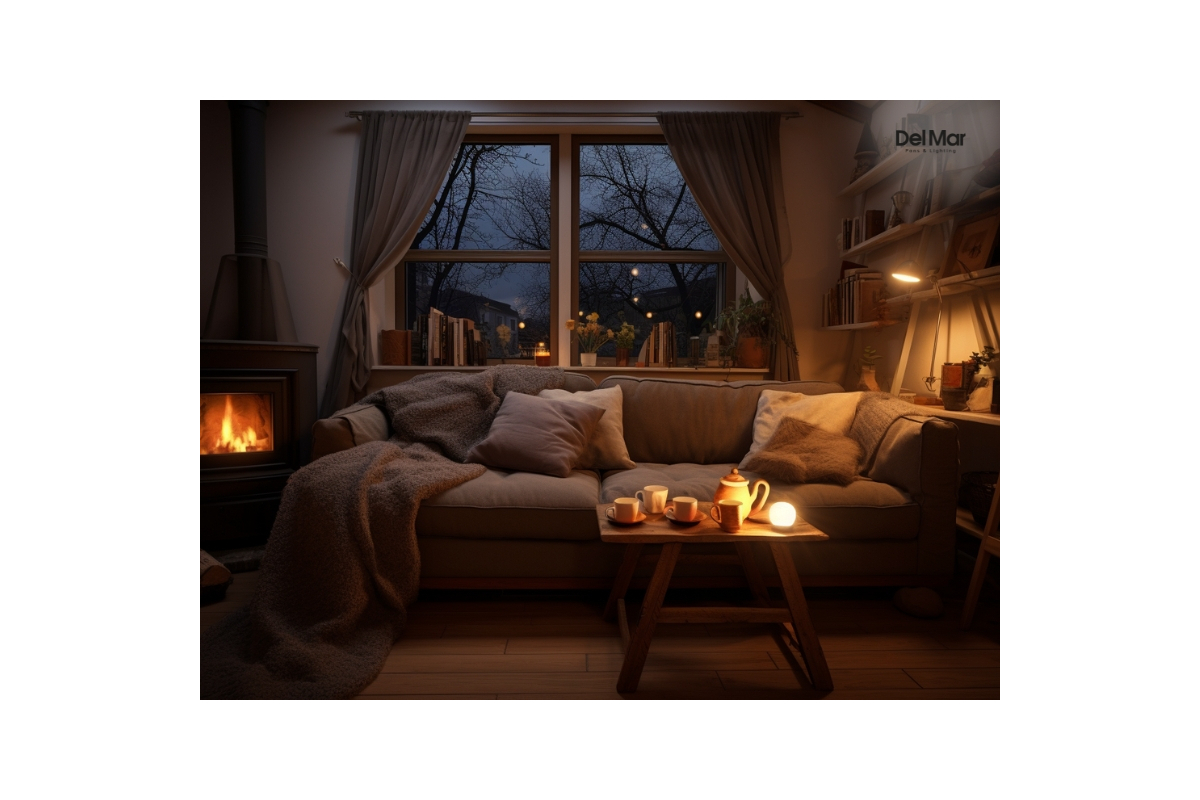
It is created by order.
Many people search for calm by retreating—less responsibility, fewer commitments, lower expectations. But without order, retreat becomes stagnation. The mind does not settle when life is unmanaged; it remains alert, scanning for what has been neglected.
Order tells the nervous system that something is being handled.
This is why order restores calm so reliably. It reduces uncertainty. It closes open loops. It signals that attention has been applied where it is needed. Calm is not a mood—it is a response to coherence.
Order begins with discernment.
Not everything needs to be done at once. Not everything needs equal emphasis. Order asks, What belongs here? What belongs now? When these questions are answered honestly, pressure lifts. Life feels less chaotic—not because it is simpler, but because it is structured.
Structure is not rigidity.
It is support.
A woman who lives with order does not control every outcome. She controls her response to what is present. She completes what she begins. She puts things back where they belong. She prepares before she enters the world. These acts may seem small, but they create an environment where calm can exist.
Disorder keeps the body alert.
Unfinished tasks, cluttered spaces, vague commitments—all of these communicate that something is unresolved. Even when ignored consciously, they register subconsciously. Over time, this creates a low-grade tension that no amount of distraction can dissolve.
Order dissolves that tension.
When a space is tended, the body relaxes. When commitments are clear, the mind quiets. When routines are honored, energy stabilizes. These effects compound. Calm becomes accessible—not forced, not manufactured, but natural.
Order also restores self-trust.
When a woman puts her life in order, she signals to herself that she is capable of stewardship. That she can be relied upon. This trust reduces anxiety because uncertainty is no longer internal. Decisions feel clearer. Actions feel grounded.
Calm follows trust.
Order shows up first in the physical world.
A room that is arranged with intention invites slower movement. A surface that is clear encourages focus. Objects placed deliberately reduce friction. These cues are not decorative—they are regulatory. They guide behavior gently.
This is why environments matter so deeply.
A well-ordered space does not demand attention—it gives it back. It allows the mind to rest. It supports presence rather than pulling attention in multiple directions.
Order also governs time.
When time is structured, it stops feeling hostile. Days no longer rush past in fragments. There is a rhythm—beginning, middle, completion. This rhythm reduces urgency. Calm arises because life feels navigable.
Order is not about perfection.
It is about completion.
Things are finished, returned, settled. Loose ends are addressed rather than accumulated. This completion creates a sense of wholeness. Life feels less like a series of interruptions and more like a sequence that resolves.
This resolution is deeply calming.
Order also restores dignity.
When a woman maintains order, she communicates—without words—that her life is worth tending. That care is not reserved for special occasions. That the everyday deserves attention. This message strengthens self-respect quietly.
Self-respect stabilizes emotion.
A person who lives in order is less reactive. Less brittle. Less overwhelmed. They are not constantly catching up or compensating. Their energy is conserved for what matters.
Order creates margin.
Margin allows patience.
Patience allows clarity.
Clarity allows calm.
This sequence is reliable.
In contrast, disorder compresses life. Everything feels urgent because nothing is settled. Calm feels elusive because attention is scattered.
No amount of relaxation techniques can replace the calm that comes from things being in their place.
Order is a form of kindness.
It spares the future self unnecessary stress. It spares others confusion. It respects shared space and shared time. These acts of consideration soften life for everyone involved.
Children feel this instinctively.
They relax in ordered environments. They behave more calmly when routines are predictable. Adults are no different, though they may resist admitting it. We all respond to coherence.
Order does not eliminate complexity.
It makes complexity manageable.
A woman who restores order to her life does not become rigid. She becomes free from constant vigilance. Her calm is not fragile—it is supported. It does not vanish under pressure because it is built on structure.
In a world that often equates freedom with disorder, choosing order can feel countercultural.
But it is deeply humane.
Order restores calm not by numbing life, but by holding it. It creates a container where emotion can settle, where attention can rest, where meaning can surface.
Calm does not come from doing less.
It comes from putting things where they belong.
And when order returns, calm follows—quietly, reliably, and without force.
~Eydie Claassen