Long lashes change a face. They open the eyes. They frame emotion. They make us look rested, youthful, expressive. In the beauty industry, I saw firsthand how transformative lashes could be. And when prostaglandin-based lash serums entered the market, they felt like a miracle. Sparse lashes suddenly thickened. Short lashes lengthened. Brows filled in where there had been gaps for years. Clients were thrilled.
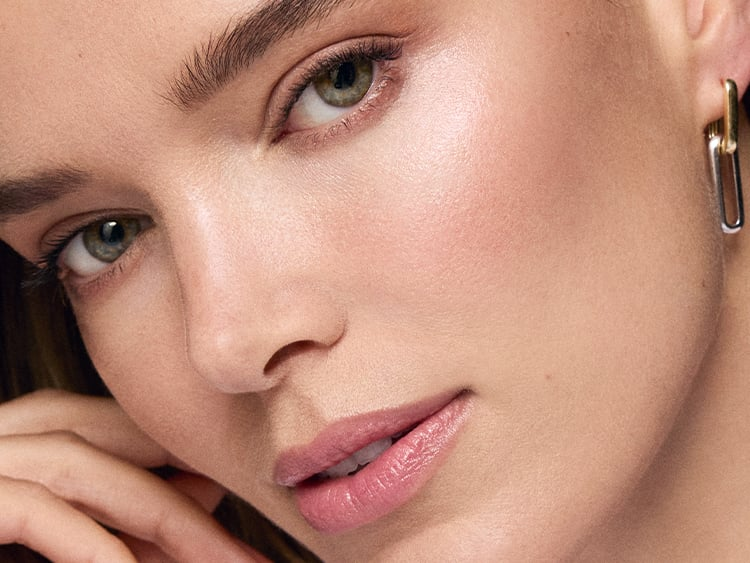
But what many didn’t realize, and what few companies explain clearly, is that these serums often contain prostaglandin analogs, compounds originally developed for medical use, including glaucoma treatment.
These ingredients don’t just “condition” lashes; they alter the growth cycle of hair follicles, and that matters.
What Prostaglandin Analogs Actually Do
Prostaglandins are hormone-like compounds that influence inflammation and tissue behavior. In ophthalmology, certain prostaglandin analogs were observed to cause increased eyelash growth as a side effect. That side effect became a product.
These compounds can:
- Extend the growth phase (anagen phase) of lashes
- Increase lash thickness and darkness
- Stimulate follicles that were dormant
But they may also affect surrounding tissues.
Some reported effects associated with long-term or improper use include:
- Darkening of the eyelid skin
- Periorbital fat loss (a hollowing around the eyes)
- Redness or irritation
- Eye dryness or sensitivity
- Lash loss after discontinuation
The most difficult part for many women isn’t the side effects. It’s what happens when they stop.
Why Lashes Can Thin After Stopping
Hair grows in cycles. When prostaglandins artificially extend the growth phase, more lashes remain in the “active” stage at once. When the product is discontinued, the cycle may normalize, and many of those extended-phase lashes shed simultaneously. This can feel like sudden lash loss.
It’s frightening. It feels like damage, but often, it’s the follicle returning to its natural rhythm.
The problem is that once we’ve seen what longer lashes look like, it’s hard to go back, and that emotional attachment can create its own form of dependency.
My Heart for Those Who Feel Trapped
If you are using a lash serum and afraid to stop, I understand. In a world where appearance is currency, lashes feel powerful. They frame our gaze and our confidence, but your beauty was never dependent on a growth-altering compound, and your follicles are not broken. They may simply need rest.
A Loving Path Forward: Detox, Repair, Rebuild
- Gentle Detox: Giving the Follicles Space
The first step is discontinuing prostaglandin products carefully and avoiding harsh replacements.
Gentle allies for the transition phase include:
- Aloe vera (thin layer along lash line, external use only)
- Alcohol-free witch hazel – lightly cleansing and calming
- Cold compresses with chamomile tea – soothing to irritated eyelids
This phase may involve temporary shedding. That does not mean permanent loss.
- Repair: Nourishing the Follicle Bed
Hair follicles require circulation and nourishment, not stimulation.
Natural ingredients often used externally (carefully and patch-tested) include:
- Castor oil – traditionally used to condition and support lash appearance
- Vitamin E (natural source) – supports skin health
- Jojoba oil – lightweight and compatible with skin oils
- Calendula infusion – calming and restorative
These do not force growth. They support the environment where growth occurs.
- Rebuild: Encouraging Healthy, Natural Cycles
Once follicles stabilize, rebuilding focuses on strengthening the lash structure over time.
Plant allies traditionally associated with hair vitality include:
- Rosemary infusion (highly diluted, external use only)
- Nettle extract – mineral-rich support
- Horsetail extract – traditionally used for hair strength
Over time, many women find their natural lashes return, not dramatically longer than nature intended, but fuller and more resilient than they feared.
A Gentle Truth from My Heart
Lashes were never meant to be manipulated into constant extension; they were meant to grow, rest, shed, and renew. If you have used prostaglandin-based serums, you are not foolish. You were offered a promise, but true beauty does not require altering hormone pathways. It requires trust, and when you allow your body to return to its rhythm, it often surprises you with its quiet strength.