There are lessons in life that are never spoken, yet they shape us more deeply than any lecture ever could. These are the lessons we absorb by watching—by observing how our parents move through the world, how they treat others, how they carry themselves when no one is applauding.
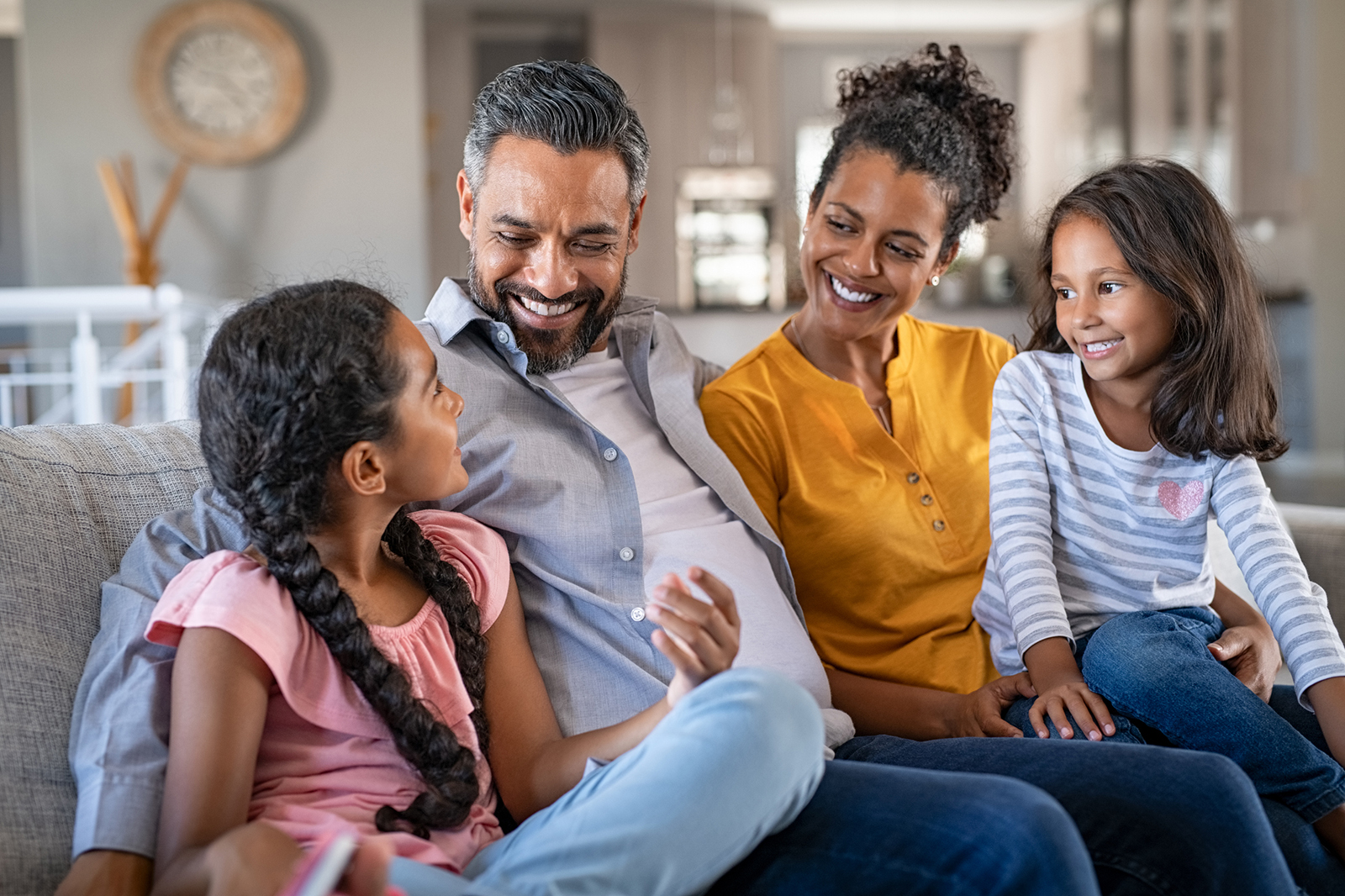
Proper and adequate upbringing is not about perfection. It is about presence. It is about modeling what it means to live with care, responsibility, and quiet dignity. Long before a child understands language, they understand energy. They notice tone. They recognize consistency. They feel whether their environment is ordered or chaotic, loving or indifferent.
Children are not raised by words alone. They are raised by atmosphere.
A parent who rises each day with intention teaches discipline without issuing commands. A parent who dresses with care teaches self-respect without a single explanation. A parent who speaks kindly—even when frustrated—demonstrates emotional mastery far more effectively than any rulebook. These are the teachings that take root.
In many ways, the most influential education a child receives happens in the ordinary moments: how meals are prepared, how guests are welcomed, how disagreements are handled, how promises are kept. These quiet repetitions become internal standards. They inform how a child will later treat their own body, their relationships, and the world at large.
Adequate parenting is not about providing excess. It is about providing guidance. Children need boundaries not to feel controlled, but to feel safe. Structure does not limit freedom—it makes freedom possible. When a child knows what is expected, they are free to grow within that framework with confidence rather than confusion.
There is a misconception today that allowing children to “figure it out on their own” is a form of empowerment. In truth, abandonment disguised as freedom leaves a child without reference points. Guidance is not oppression. It is love made visible.
Parents teach children how to regard themselves by how they regard life. When effort is valued in the home, children learn that showing up matters. When order is maintained, children learn that their environment reflects their worth. When respect is given freely, children understand that it is both offered and earned.
These lessons do not fade with time. They mature.
As adults, we often find ourselves returning—consciously or unconsciously—to the standards we were shown. How we prepare for the day. How we speak to strangers. How we respond to discomfort. These behaviors trace back to what was modeled, not what was said.
When parenting lacks intentionality, children grow up improvising values instead of inheriting them. This often leads to uncertainty, not freedom. A strong foundation does not restrict individuality; it supports it. It allows a person to stand upright in the world, anchored rather than reactive.
Good parenting is not loud. It does not demand recognition. It is steady. It is lived. It is visible in consistency rather than grand gestures. And its effects ripple outward—into workplaces, communities, relationships, and culture itself.
In a world that often rewards immediacy over depth, the quiet discipline of being taught well is a rare gift. It equips individuals to care not only for themselves, but for others. It fosters empathy, responsibility, and a sense of shared human dignity.
What we pass on to the next generation is not merely knowledge, but orientation—how to face life with integrity, how to respond rather than react, how to hold oneself accountable with compassion.
These are the lessons that last.
And they are taught every day, without ever needing to be spoken.
~Eydie Claassen