Every environment teaches.
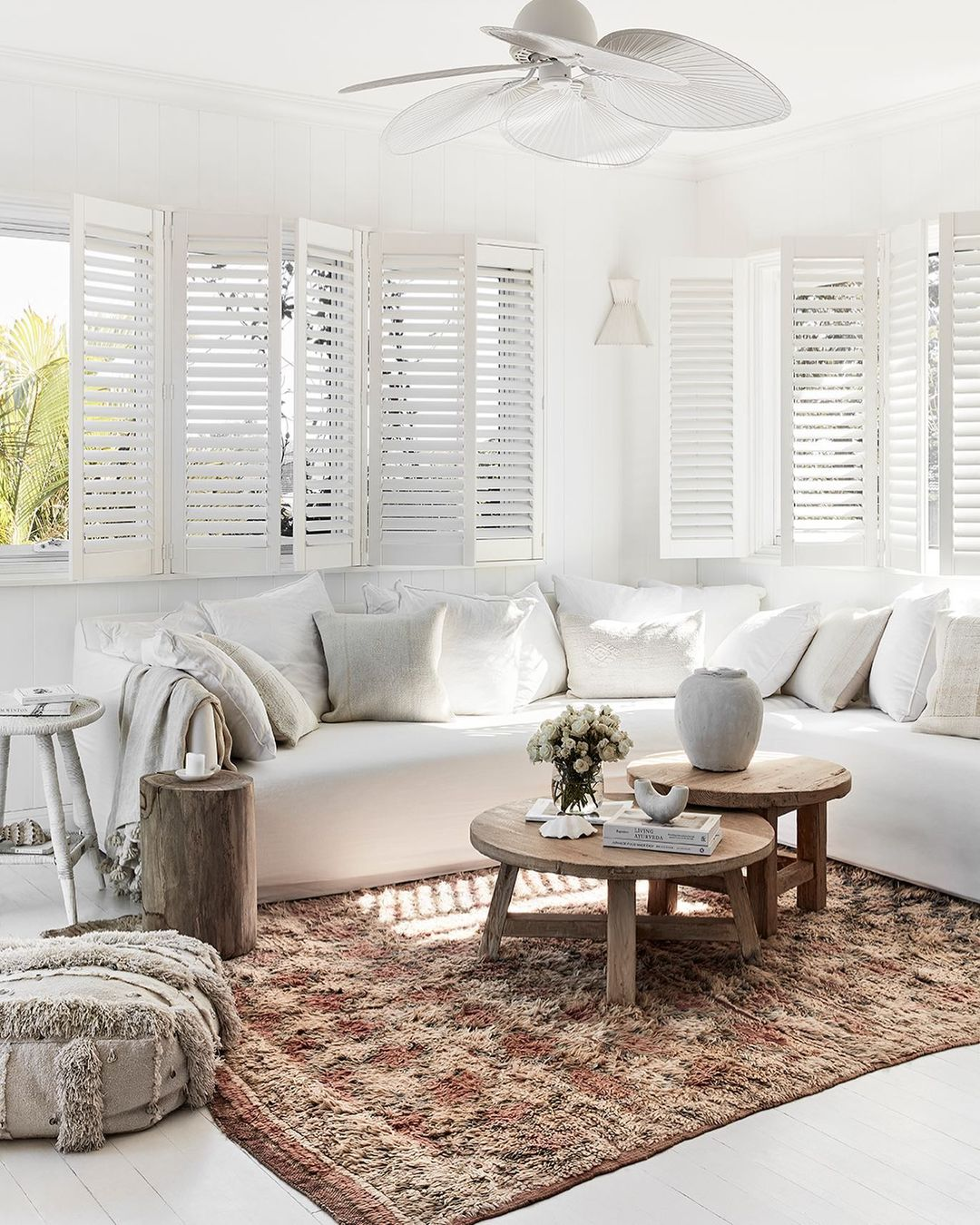
Long before a child understands language, before lessons are explained or values named, space begins the conversation. Walls, floors, light, order, and atmosphere quietly communicate what is normal, what is tolerated, and what is worthy of care.
Our surroundings speak even when we do not.
A home is not just shelter. It is a classroom without a chalkboard. It teaches posture, pace, and perception. It shows us whether beauty is valued or dismissed, whether things are tended or ignored, whether calm is cultivated or chaos accepted.
Children absorb these cues instinctively.
They learn how to treat objects by watching how objects are treated. They learn how to move through space by sensing whether it is respected or neglected. A well-considered environment teaches reverence without instruction. A neglected one teaches endurance instead.
This is not about luxury. It never has been.
It is about intention.
A space does not need to be large, expensive, or perfectly designed to teach dignity. It needs care. It needs order. It needs evidence that someone is paying attention. When an environment is thoughtfully maintained, it quietly communicates, You matter enough to be considered.
That message shapes a child’s inner world.
When surroundings are harsh, cluttered, or chronically ignored, the lesson absorbed is not resilience—it is resignation. Over time, this dulls sensitivity. Standards quietly lower. Disorder becomes familiar. And with familiarity comes acceptance.
Environment becomes inheritance.
What we normalize in our spaces becomes what the next generation carries forward—often unconsciously. They replicate the emotional tone they were raised within, not because they choose it, but because it feels like home.
This is why tending to one’s environment is not superficial. It is formative.
A home that includes softness teaches gentleness. A space that values beauty teaches appreciation. Rooms that are cared for teach stewardship. These lessons require no words. They are felt.
Plush textures, warm lighting, meaningful objects, and intentional arrangement are not decorative choices alone. They regulate the nervous system. They slow movement. They invite presence. They allow both adults and children to rest inside themselves.
When a woman creates a space that feels composed and gracious, she is not withdrawing from the world—she is preparing herself and those within it to meet the world with steadiness.
Children raised in environments where things are repaired rather than discarded, cleaned rather than ignored, arranged rather than abandoned, learn patience and responsibility without being told. They learn that care is part of living.
This becomes their baseline.
Environment also shapes how we treat one another.
When a space feels respected, people tend to behave respectfully within it. Voices soften. Movements become more intentional. Conflict de-escalates more easily. Beauty does not eliminate difficulty, but it creates conditions where difficulty can be met without collapse.
This is especially important in uncertain times.
A well-tended environment becomes a refuge—not a hiding place, but a place of restoration. It allows people to return to the world replenished rather than depleted. It reminds them what order feels like when life feels unpredictable.
We underestimate how much strength comes from this.
Creating a dignified space is an act of leadership. It says, I am responsible for the atmosphere I create. That responsibility ripples outward, shaping behavior, mood, and memory.
Children who grow up in such spaces often carry an internal sense of order with them. They know how to create calm. They recognize when something feels off. They understand, instinctively, that beauty and care are not extras—they are foundations.
This is not about perfection. It is about consciousness.
An environment does not need to be flawless to teach dignity. It needs to be intentional. It needs to show signs of love. Of effort. Of presence.
What you live within becomes part of who you are.
And what you create today becomes what someone else remembers as normal tomorrow.
Choose carefully.
Your space is teaching—every day.
~Eydie Claassen